
A Philosophical Guide to American Consumerism: Are We What We Buy?
In America, consumerism is more than an economic force — it’s a cultural identity. Since the early 20th century, buying has done more than fill needs; it has shaped our self-image, social status, and even our happiness. But this raises a philosophical question: Are we truly what we buy?
NON-STOIC PHILOSOPHIES
1/30/20261 min read
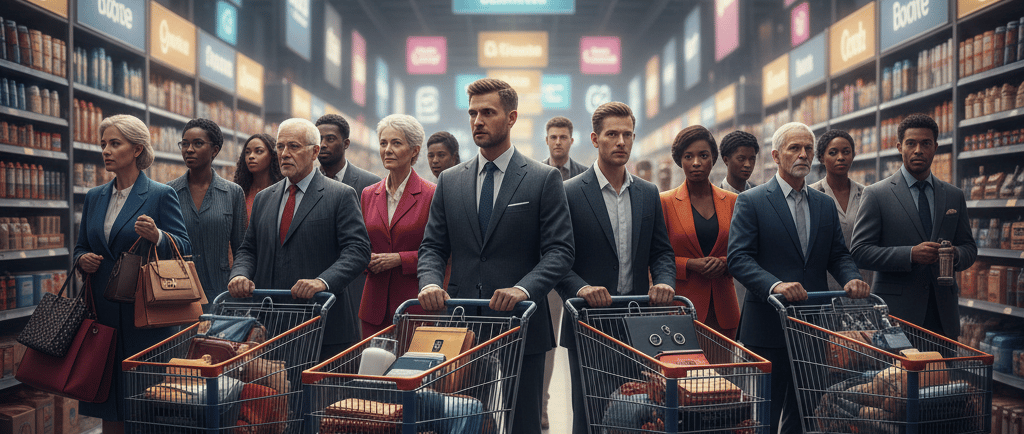

The Rise of Consumer Culture in America
Consumer culture grew rapidly after World War I and exploded post-World War II. Shopping shifted from necessity to a source of joy, status, and identity. Department stores, credit systems, and advertising fueled a cycle where acquiring goods became linked to feeling successful and “modern.”
This culture democratized desire—not everyone gained wealth equally, but nearly everyone could aspire to own the latest products. It introduced the idea that happiness and identity could be found in consumption.
The Philosophy of Possession and Identity
Philosophers and sociologists have long debated the connection between identity and ownership. On one hand, belongings—clothes, cars, gadgets—can express personality and values, helping us find community and self-confidence. On the other, reliance on material goods for identity risks shallow happiness, social inequality, and environmental harm.
Consumerism can create a false self, where worth is measured by possession rather than character or community. The “self” becomes a product, marketed and molded by trends and ads.
The Ethical and Environmental Costs
This cycle of endless consumption has ethical consequences: resource depletion, waste, and labor exploitation. The rush to keep up with the “new” fuels environmental destruction and social injustice, prompting many to question whether equating self-worth with buying is sustainable or moral.
Finding Balance: Mindful Consumerism
Philosophy invites us to critically examine our desires and choices. Mindful consumerism means asking:
Why do I want this?
Will it truly add value to my life?
What impact does its production and disposal have on others and the planet?
By choosing meaningful goods and experiences—and valuing non-material aspects of life—we reclaim identity beyond the marketplace.
Final Thought
In American consumerism, buying can shape identity, but it doesn’t have to define us. True fulfillment grows from values, relationships, and purpose—not just products. Understanding this helps us navigate the tension between desire and sustainability in modern life.
Waste no more time arguing about what a good man should be. Be one - Marcus Aurelius
We suffer more often in imagination than in reality - Seneca
Wealth consists not in having great possessions, but in having few wants - Epictetus