
The Philosophy of Succession: A Ruthless Look at Power, Nihilism, and the American Elite.
Succession—the passing of power, wealth, and influence—has always been a fierce battleground. In the modern American elite, this struggle is often cloaked in family dramas, corporate intrigue, and political maneuvering. But beneath the surface lies a ruthless philosophy shaping who rules, who falls, and what the future holds for society.
NON-STOIC PHILOSOPHIES
1/10/20261 min read

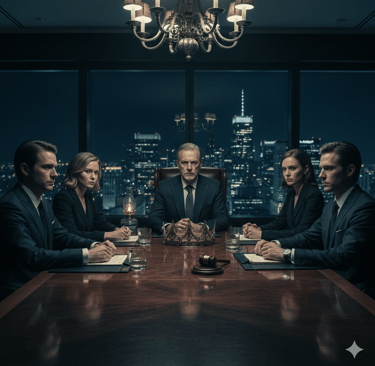
Power and the Endless Game of Succession
Succession isn’t just about inheriting wealth or a title. It’s about control — control over narratives, decisions, and ultimately, society itself. The American elite, often closely linked to media empires and political influence, live within a high-stakes arena where family loyalty clashes with ambition, and trust is a rare commodity.
Each generation fights to cement its legacy, jockeying for positions that promise dominance. This game can breed paranoia, betrayal, and the hollow realization that power is fleeting.
Nihilism at the Heights of Power
At the apex of this power struggle, nihilism often emerges — a sense that none of the conflict truly matters beyond the moment. When everything is negotiable and everything can be weaponized, it’s easy to forget ethical considerations or long-term consequences. The intense focus on preserving influence can hollow out meaning, reducing human relationships and values to mere transactions.
This existential emptiness is a paradox: those with the most power can also be the most vulnerable to despair, as they lose connection to purpose beyond the game.
The Public and Private Intersect
These elite struggles shape more than private fortunes; they ripple through government policies, media narratives, and public discourse. Behind closed doors, decisions are made that affect millions, but transparency remains elusive.
Control over information is a key weapon. Managing public narratives — “shaping the story” — allows elites to reinforce their status and marginalize challengers.
Can There Be Redemption or Reform?
While the philosophy of succession evokes images of ruthless dynasties and zero-sum battles, some view increased awareness and critique as seeds for change. Questions emerge: How might power be redistributed? What accountability systems can temper excess? Can new forms of leadership rise that prioritize responsibility over dominance?
These are difficult but important questions as inequality grows and public trust weakens.
Final Thought
Succession at the elite level is more than inheritance; it’s a brutal, nihilistic contest over meaning and control. Understanding these dynamics helps us see the invisible forces shaping politics and culture — and why vigilance, transparency, and ethical dialogue are vital for a just society.
Waste no more time arguing about what a good man should be. Be one - Marcus Aurelius
We suffer more often in imagination than in reality - Seneca
Wealth consists not in having great possessions, but in having few wants - Epictetus