
Why Everything You Think You Know About Nietzsche Is Wrong
Friedrich Nietzsche is one of the most famous and misunderstood philosophers of the 19th century. Often associated with nihilism, despair, and extremist ideas, the reality of Nietzsche’s thought is far more nuanced—and surprisingly optimistic.
NON-STOIC PHILOSOPHIES
1/6/20261 min read

Why Everything You Think You Know About Nietzsche Is Wrong
Friedrich Nietzsche is one of the most famous and misunderstood philosophers of the 19th century. Often associated with nihilism, despair, and extremist ideas, the reality of Nietzsche’s thought is far more nuanced—and surprisingly optimistic.
Nietzsche Was Not a Nihilist
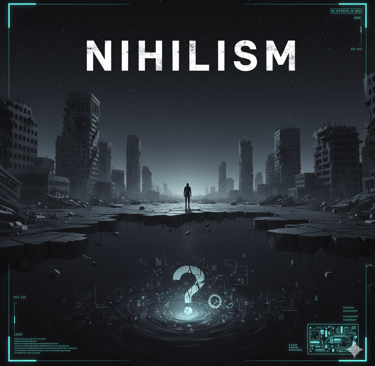
Many think Nietzsche preached hopelessness or meaninglessness. In truth, he fiercely opposed nihilism—the belief that life has no meaning. His famous declaration, “God is dead,” was not a celebration of emptiness but a diagnosis of modern cultural shifts. He sought to overcome nihilism by encouraging individuals to create their own values and meaning.
The Will to Power Is Often Misread
Nietzsche’s concept of the “will to power” is frequently mistaken for a call to dominate others. Instead, it’s about realizing and expressing one’s potential—mastering oneself, shaping one’s life, and overcoming challenges. This idea is less about brute force and more about personal growth and creativity.
The Übermensch: Not a Superhero or Dictator
The ideal of the Übermensch (“Overman” or “Superman”) is often misunderstood as a fascist or racist concept. Nietzsche’s Übermensch is a personal ideal—someone who lives authentically, creates values, and transcends social norms. It’s a metaphorical aspiration, not a political manifesto.
Nietzsche’s Tone Was Not All Gloom
Despite his sharp critiques, Nietzsche wrote with wit, humor, and a life-affirming spirit. He celebrated joy, creativity, and the richness of existence. His work challenges us to face life with courage, questioning, and freedom.
Final Thought
Nietzsche is more than a cliché of despair or power. He invites us to rethink meaning, morality, and individuality in an ever-changing world. To truly grasp his philosophy, we must look beyond popular myths to his profound and complex vision.
Waste no more time arguing about what a good man should be. Be one - Marcus Aurelius
We suffer more often in imagination than in reality - Seneca
Wealth consists not in having great possessions, but in having few wants - Epictetus